Technique

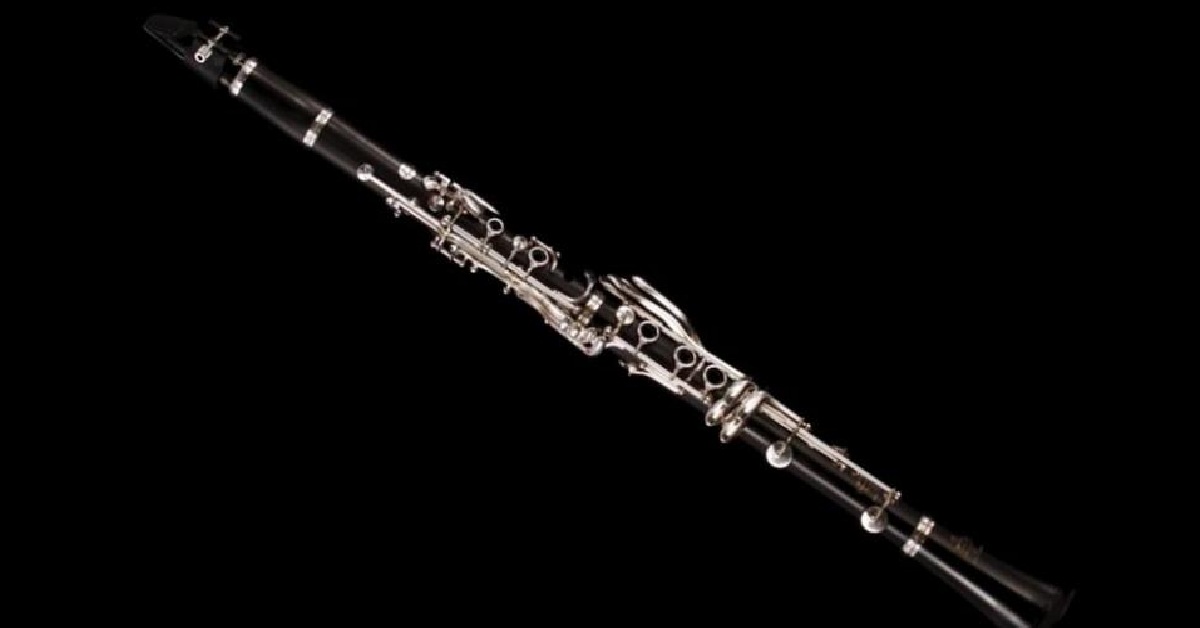
Some Assembly Required (Clarinet)

Pressing the D Key When Assembling Clarinet Joints Who This technique is essential for clarinetists, from middle school beginners to advanced players, and band directors teaching them in school or community ensembles. Proper assembly prevents damage and ensures longevity for student instruments. What The challenge is assembling the clarinet’s main two joints (upper and lower) […]

Some Assembly Required (Clarinet) Read Post »
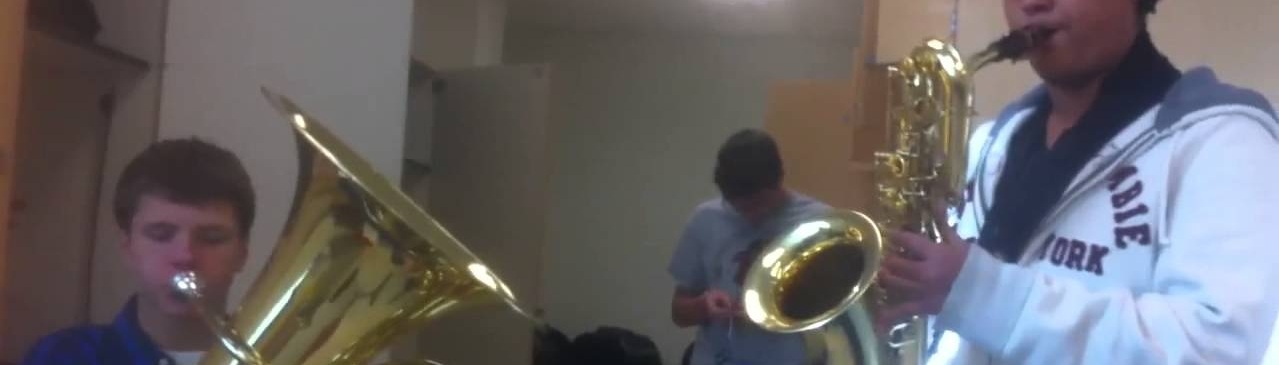
Alter Ego — AKA Barry Sachs

Converting Tuba Parts for Bari Sax: A Practical Guide for Band Directors Who This technique is for band directors in middle school or high school programs who need to quickly adapt existing tuba parts for a bari sax player. It’s especially useful when a new bari sax student joins late, when marching band parts don’t

Alter Ego — AKA Barry Sachs Read Post »

The Golden Chorale

Singing Chorales for Ensemble Tuning and Pitch Recognition Who This technique benefits band students, including brass, woodwind, and percussion players (when not playing), from middle school beginners to advanced high school ensembles, and band directors teaching them in school or community settings. What The challenge is developing students’ ear training and pitch recognition to achieve

The Golden Chorale Read Post »

I Have No Clever Wordplay for “Tizzling”…

Tizzling for Ensemble Sightreading Success Who This technique benefits band students, including brass, woodwind, and percussion players, from middle school beginners to advanced high school ensembles, and band directors teaching them in school or community settings. What The challenge is improving ensemble sightreading accuracy, particularly for rhythms, when performing unfamiliar music under time constraints, ensuring

I Have No Clever Wordplay for “Tizzling”… Read Post »

Airballlllllll…….Air Flow Exercise for Brass

Ping-Pong Ball Trick for Brass Airflow Who This technique benefits brass players, including trumpet, trombone, French horn, euphonium, and tuba players, particularly middle school beginners, and band directors teaching them in school or community ensembles. It’s ideal for students learning proper airflow. What The challenge is teaching brass players to use strong, consistent airflow without

Airballlllllll…….Air Flow Exercise for Brass Read Post »

Just a Sliver (Clarinet) – Alternate Fingerings for Chromatic Passages

Using Clarinet Sliver-Key Fingerings for Enhanced Technique Who This technique benefits clarinetists, from middle school beginners to advanced players, performing in band, orchestral, or solo settings, and band directors guiding them. Sliver-key fingerings are particularly useful for students tackling technical passages in school ensembles. What The challenge is achieving smooth, accurate transitions in rapid or

Just a Sliver (Clarinet) – Alternate Fingerings for Chromatic Passages Read Post »

Open Up and Say, “Ahh…” (Brass)

Opening the Jaw for Proper Brass Embouchure Who This technique benefits brass players, including trumpet, trombone, French horn, euphonium, and tuba players, from middle school beginners to advanced students, and band directors teaching them in school or community ensembles. What The challenge is teaching brass players to open their jaw and separate their teeth to

Open Up and Say, “Ahh…” (Brass) Read Post »

The Third Rail (3rd valve on trumpet)

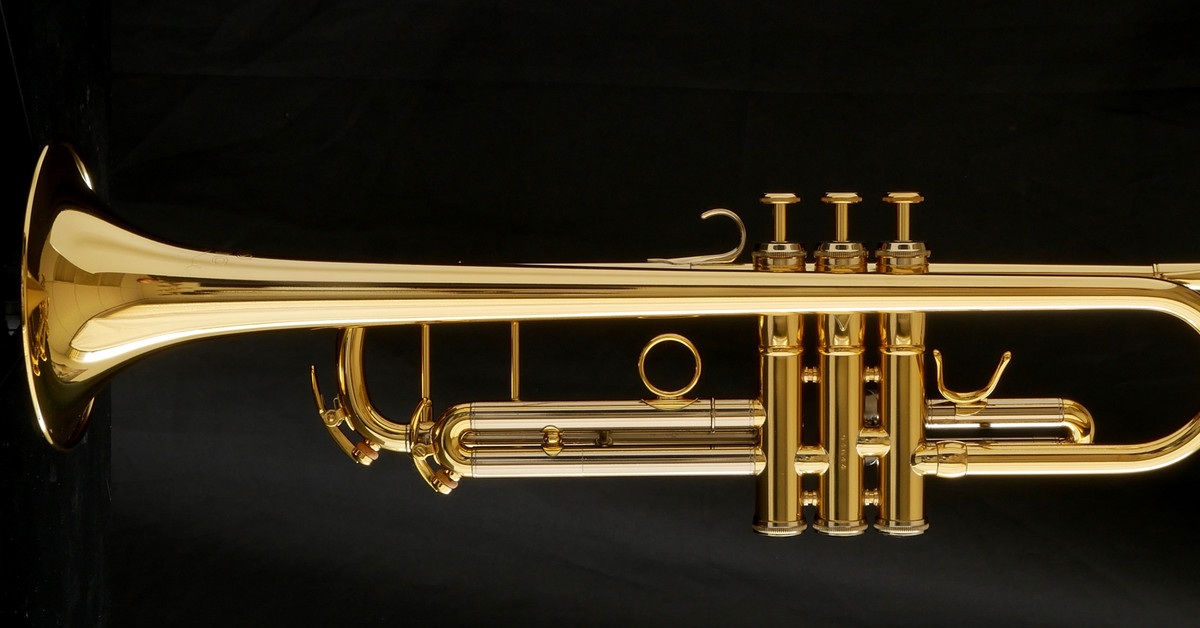
Using the Third-Valve Slide for Tuning Alternate Fingerings on Bb Trumpet Who This technique benefits Bb trumpet players, particularly middle school beginners with weaker embouchures, and band directors guiding them in school or community ensembles. It helps students achieve precise intonation in band settings. What The challenge is correcting the flat intonation of higher notes

The Third Rail (3rd valve on trumpet) Read Post »

A Better Bb (Clarinet)

Using the Bb Trill Fingering on Clarinet for Better Tone Who This technique benefits clarinetists, from middle school beginners to advanced players, performing in band, orchestral, or solo settings, and band directors guiding them. The Bb trill fingering is especially useful for students seeking improved tone and intonation. What The challenge is achieving a clear,

A Better Bb (Clarinet) Read Post »
Building Bridges: Trumpet to French Horn via Mellophone

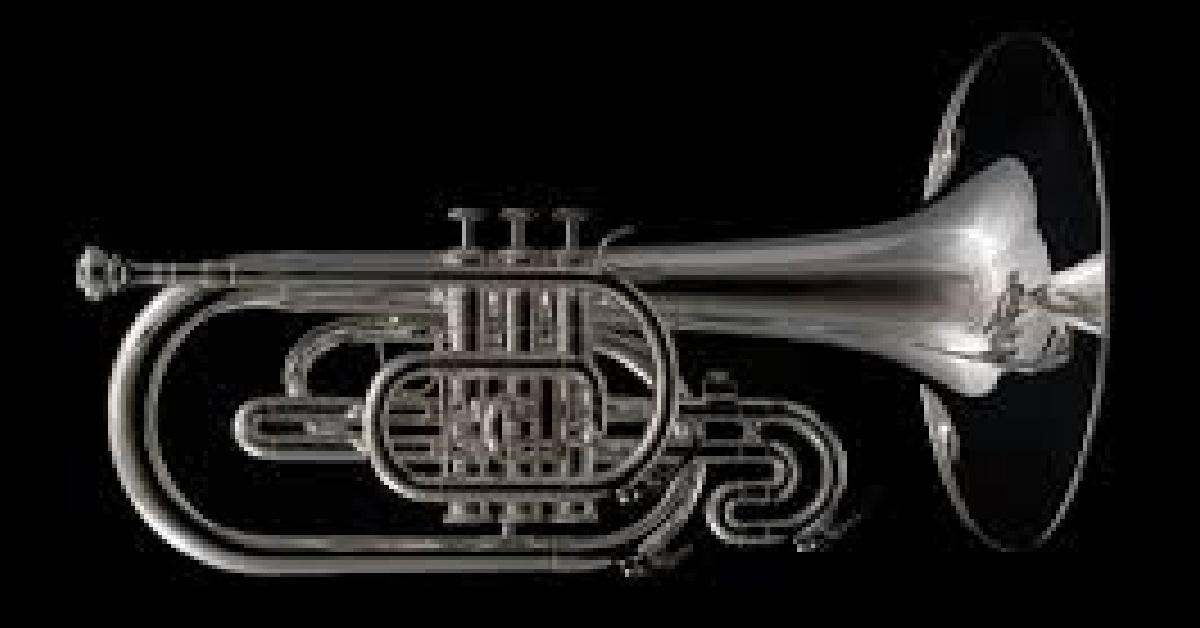
Switching Trumpet Players to French Horn via Mellophone Who This process benefits band directors transitioning trumpet players to French horn in school or community ensembles, particularly middle and high school students struggling with trumpet’s demands but showing musical aptitude. What The challenge is helping trumpet players who strain with the instrument’s high notes and tight

Building Bridges: Trumpet to French Horn via Mellophone Read Post »

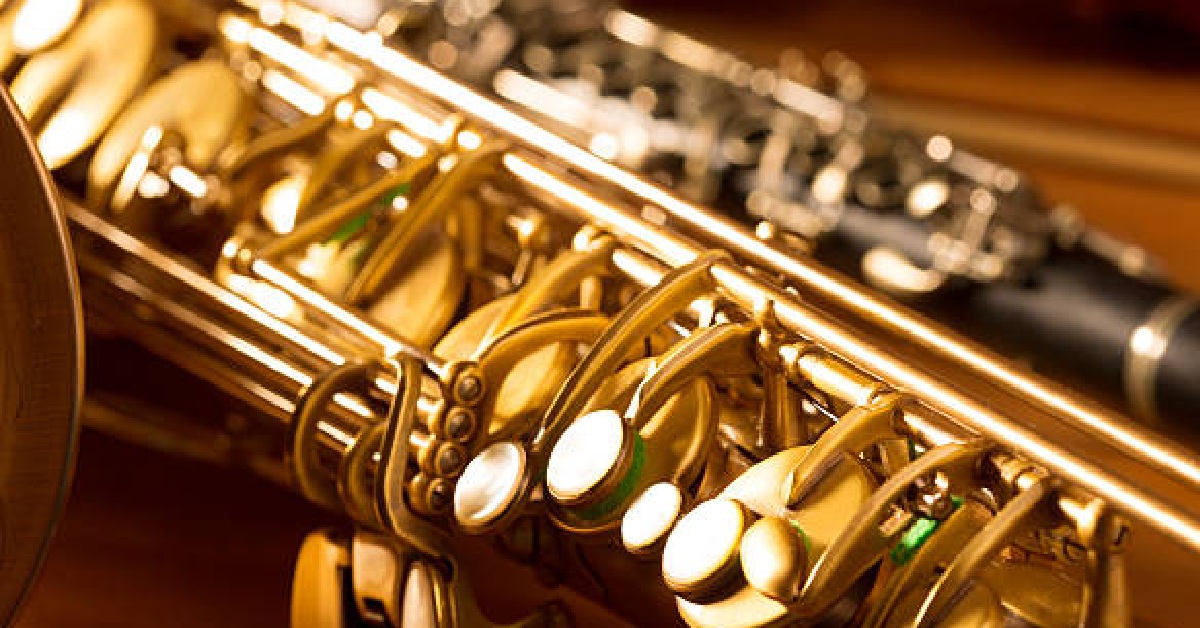
Fork it — Alternate F# on Saxophone

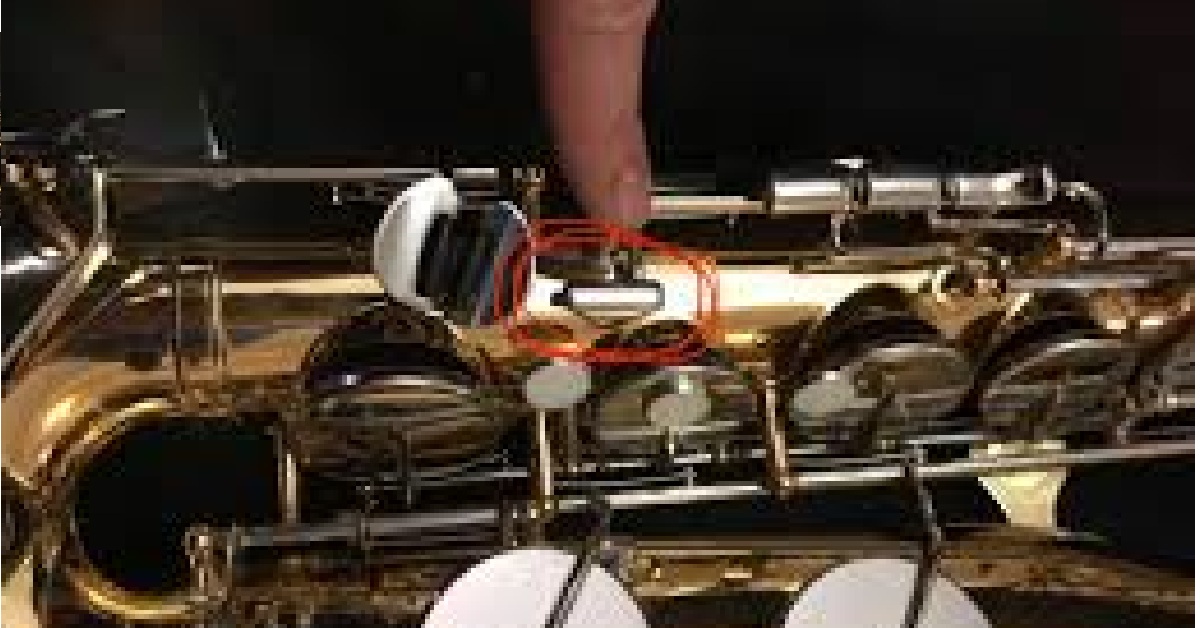
Mastering the Alternate F# Fingering on Saxophone Who This technique benefits saxophonists, from middle school beginners to professional players, performing on alto or tenor saxophone in band, jazz, or solo settings, and band directors guiding them to improve technical fluency and intonation. What The challenge is eliminating pitch glitches (G or E blips) during transitions

Fork it — Alternate F# on Saxophone Read Post »

May the 4th Be With You

Using the 4th Valve for Improved Tuning on BBb Tuba and Bb Euphonium Who This technique benefits BBb tuba and Bb euphonium players, from middle school beginners to advanced students, and band directors guiding them in school or community ensembles. Precise intonation is crucial for low brass players in band settings. What The challenge is

May the 4th Be With You Read Post »

Who’s on First (Trombone)?

Avoiding the Trombone Slide Slam and Bell Reliance for Position Accuracy Who This issue affects trombone players, from middle school beginners to advanced students, and band directors guiding them in school or community ensembles. Accurate slide technique is essential for all trombonists to achieve precise intonation. What The challenge is avoiding reliance on physical markers

Who’s on First (Trombone)? Read Post »

Why is French Horn so hard?

Why French Horn is Harder for Beginners than Other Brass Instruments Who This issue affects band directors teaching beginning French horn players in school or community ensembles, as well as students learning the instrument. The horn’s challenges are more pronounced for middle school and high school players compared to those on trumpet or trombone. What

Why is French Horn so hard? Read Post »

Trumpet vs. French Horn Embouchure

Trumpet vs. French Horn Embouchure and Mouthpiece Placement Who This issue affects band directors teaching trumpet and French horn players, from middle school beginners to advanced students, in school or community ensembles. Trumpet and horn players need distinct embouchure guidance to achieve proper tone and intonation. What The challenge is understanding and teaching the differing

Trumpet vs. French Horn Embouchure Read Post »

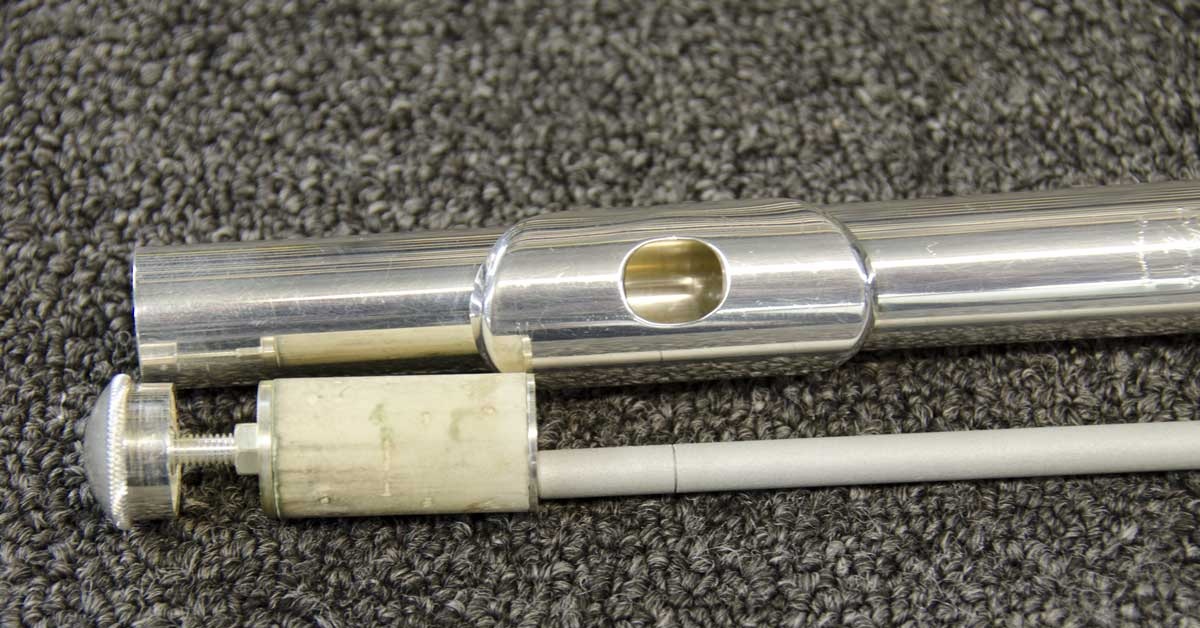
Put a Cork In It: Flute Head Joint

Importance of Flute Cork Position and Adjustment Who This issue affects flutists, from middle school beginners to professional players, and band directors guiding them in school or community ensembles. Maintaining proper head joint cork position is crucial for students and professionals to achieve optimal intonation and tone. What The challenge is ensuring the head joint

Put a Cork In It: Flute Head Joint Read Post »

Clarinet vs. Saxophone Embouchure

Clarinet vs. Saxophone Embouchure for Band Directors Who This issue affects band directors teaching clarinet and saxophone players, from middle school beginners to advanced students, in school or community ensembles. Clarinetists and saxophonists need distinct embouchure guidance to achieve proper tone and intonation. What The challenge is understanding and teaching the differing embouchure requirements for

Clarinet vs. Saxophone Embouchure Read Post »

Percussion Chop-Builders

Chop-Builders for Percussionists: Preparing for Marching Band For percussionists gearing up for marching band, developing strong technical skills, or “chops,” is essential to meet the physical and musical demands of the season. Chop-builder exercises—focused on precision, speed, and control—are critical for building the dexterity and stamina needed for drumline performances. These exercises, ranging from single-handed

Percussion Chop-Builders Read Post »

Scroll to Top