
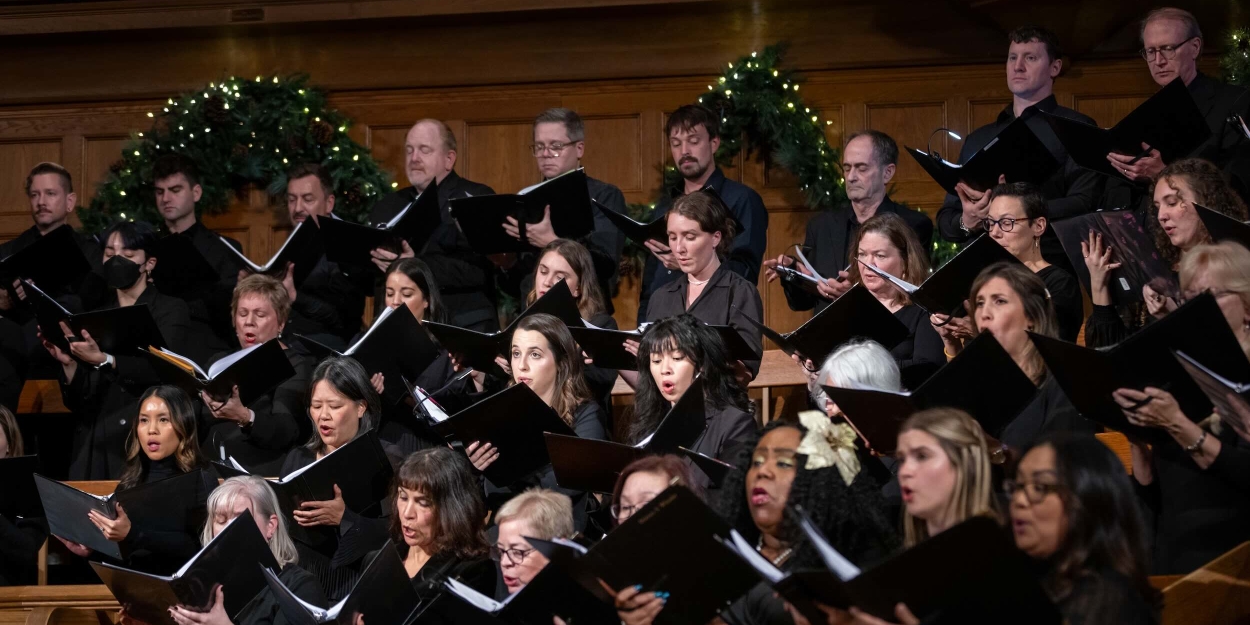
Singing Chorales for Ensemble Tuning and Pitch Recognition
Who
This technique benefits band students, including brass, woodwind, and percussion players (when not playing), from middle school beginners to advanced high school ensembles, and band directors teaching them in school or community settings.
What
The challenge is developing students’ ear training and pitch recognition to achieve precise intonation and harmonic blend in ensemble playing, often hindered by reliance on instruments without internalizing pitch.
Why
Singing chorales engages students’ voices to internalize pitch, fostering a deeper understanding of intonation and harmonic relationships, as noted in The Art of Wind Playing. Instrumental playing can mask pitch inaccuracies, but singing exposes errors, helping students hear and adjust to A=440 Hz, improving ensemble tuning and musicality.
Where
The technique is applied via:
- Vocal Singing: Students sing chorale parts (e.g., melody, harmony) using solfege, note names, or neutral syllables like “la.”
- Ear Training: Listening for pitch accuracy and chordal balance without instruments.
When
Use singing chorales in:
- Warm-Up Sessions: At the start of rehearsals to set intonation before playing pieces like Holst’s First Suite in Eb.
- Tuning Exercises: During ensemble tuning to align with A=440 Hz, especially for chord-heavy passages.
- Beginner Instruction: For middle school students to build pitch awareness early.
- Lyrical Repertoire: In chorale-based pieces like Grainger’s Irish Tune, where harmonic clarity is critical.
How
To teach tuning and pitch recognition through singing chorales:
- Select Simple Chorales: Choose accessible chorales (e.g., Bach’s Jesu, Joy of Man’s Desiring or O Sacred Head), assigning parts (melody, harmony) to sections, as suggested in Band Directors Talk Shop.
- Sing with Solfege or Note Names: Have students sing using solfege (do-re-mi) or note names to reinforce pitch relationships, starting with unison lines, then harmonies.
- Use a Tuner: Check sung pitches against a tuner (A=440 Hz) to identify flat or sharp tendencies, correcting with vocal adjustments.
- Focus on Chord Tuning: Sing chords bottom-up (e.g., root, fifth, third), listening for blend and adjusting pitch to lock in harmonies, especially major thirds.
- Incorporate in Rehearsals: Begin rehearsals with 5-10 minutes of chorale singing, transitioning to playing the same chorale to connect vocal and instrumental intonation.
- Annotate Repertoire: Mark chorale sections in pieces like Sousa’s Stars and Stripes Forever for singing practice to enhance intonation in performance.
- Encourage Listening: Have students listen to each other’s parts during singing, fostering ear training and section blend, and compare to instrumental playing.
Conclusion
Singing chorales is a powerful technique for teaching band students tuning and pitch recognition, fostering internal pitch awareness and harmonic blend. By selecting simple chorales, using solfege, practicing with tuners, and integrating singing into rehearsals and repertoire, directors help students achieve precise intonation (A=440 Hz). This approach empowers brass, woodwind, and percussion players to deliver polished, in-tune performances, enhancing the ensemble’s sound in demanding lyrical and chordal repertoire.