General Woodwind

I Have No Clever Wordplay for “Tizzling”…

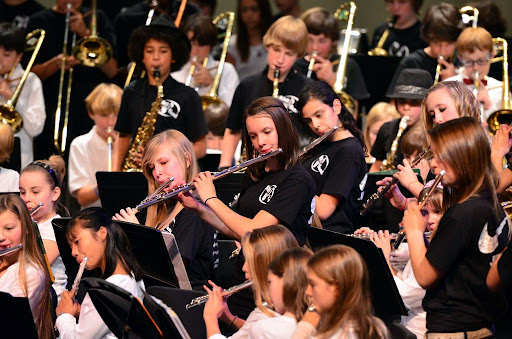
Tizzling for Ensemble Sightreading Success Who This technique benefits band students, including brass, woodwind, and percussion players, from middle school beginners to advanced high school ensembles, and band directors teaching them in school or community settings. What The challenge is improving ensemble sightreading accuracy, particularly for rhythms, when performing unfamiliar music under time constraints, ensuring […]

I Have No Clever Wordplay for “Tizzling”… Read Post »

Clarinet vs. Saxophone Embouchure

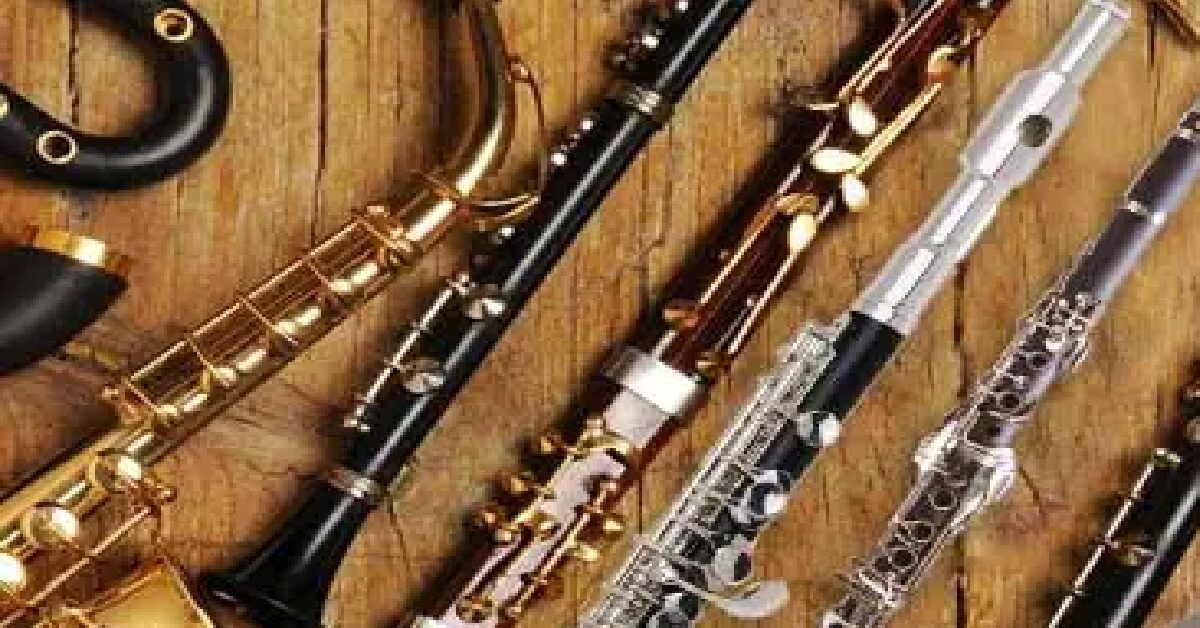
Clarinet vs. Saxophone Embouchure for Band Directors Who This issue affects band directors teaching clarinet and saxophone players, from middle school beginners to advanced students, in school or community ensembles. Clarinetists and saxophonists need distinct embouchure guidance to achieve proper tone and intonation. What The challenge is understanding and teaching the differing embouchure requirements for

Clarinet vs. Saxophone Embouchure Read Post »

Trill Fingering Substitutions

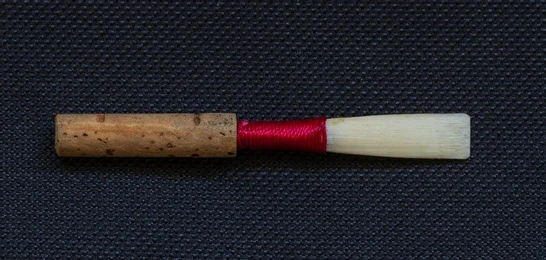
Using Trill Fingering Substitutions (or trill fingerings for trills) for Woodwind Players Who This technique benefits woodwind players, including flutists, clarinetists, oboists, and bassoonists, from middle school to professional levels, performing in band, orchestral, or solo settings. Trill fingering substitutions are especially useful for students tackling challenging passages in school ensembles. What The challenge is

Trill Fingering Substitutions Read Post »

Scroll to Top