Technique

Flute Fingerings – Lower and Upper Octaves

Distinguishing Upper and Lower Octave Flute Fingerings for Directors Who This issue affects band directors transitioning from middle school to high school ensembles, teaching flutists from beginner to advanced levels. Flute students need guidance to master third-octave fingerings for accurate intonation and tone in complex band settings. What The challenge is distinguishing third-octave fingerings for […]

Flute Fingerings – Lower and Upper Octaves Read Post »
C and C# on Flute

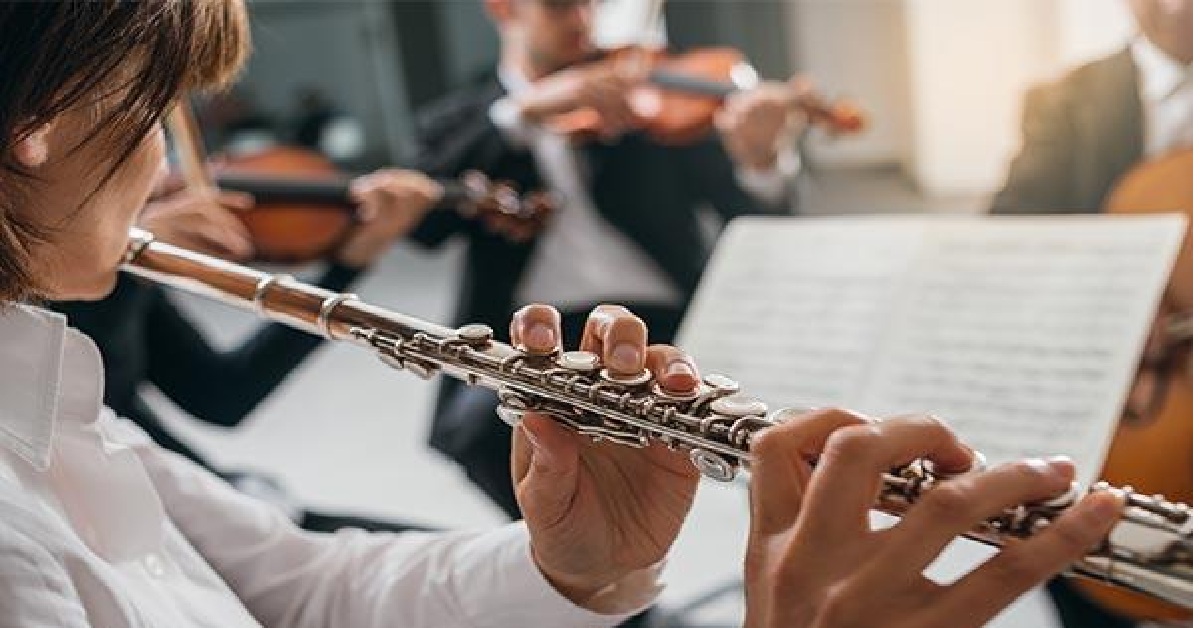
Tuning Tendencies of C and C# on Flute for Band Directors Who This issue affects flutists, from middle school beginners to professional players, and band directors guiding them in school or community ensembles. Correcting the tuning tendencies of C and C# is crucial for students to achieve precise intonation in band settings. What The challenge

C and C# on Flute Read Post »

Clarinet Pinkies

Clarinet Pinky Fingering Precautions for Band Directors Who This issue affects band directors guiding young clarinetists in school bands, from middle school to high school. Clarinet students, particularly beginners, need instruction on pinky fingerings to avoid technical errors and ensure fluid playing in ensemble settings. What The challenge is preventing same-pinky repetition in rapid transitions

Clarinet Pinkies Read Post »

Saxophone vs Flute F#

F# Fingering for Flute vs. Saxophone for Directors Who This issue affects band directors transitioning from specializing in saxophone (alto or tenor) to teaching beginning flute players in school bands. Understanding the distinct F# fingerings is crucial for both directors and students to ensure accurate instruction and performance. What The challenge is teaching the correct

Saxophone vs Flute F# Read Post »

Trill Fingering Substitutions

Using Trill Fingering Substitutions (or trill fingerings for trills) for Woodwind Players Who This technique benefits woodwind players, including flutists, clarinetists, oboists, and bassoonists, from middle school to professional levels, performing in band, orchestral, or solo settings. Trill fingering substitutions are especially useful for students tackling challenging passages in school ensembles. What The challenge is

Trill Fingering Substitutions Read Post »

Thumb Bb for Flute

Using Thumb Bb Fingering on Flute in Flat Keys Who This technique is essential for flutists, from middle school to professional players, who perform in band, orchestral, or solo settings. The thumb Bb fingering benefits all skill levels, particularly younger players or those with smaller hands, in navigating flat-key repertoire. What The challenge is achieving

Thumb Bb for Flute Read Post »

First-Valve notes (Eb- & Ab-Concert)

Using the First Valve Slide for Tuning on Brass Instruments Who This tuning technique applies to players of BBb tuba, Bb euphonium, Bb treble clef baritone, and Bb trumpet. These brass instruments, common in school and professional bands, benefit from first valve slide adjustments to achieve precise intonation, especially for students developing their ear. What

First-Valve notes (Eb- & Ab-Concert) Read Post »

Tuning the 5th partial

Tuning the 5th Partial on Brass Instruments Who This tuning issue affects all brass instruments: trumpets, trombones, French horns, euphoniums, and tubas. Whether in middle school, high school, or professional bands, players of these instruments face challenges with the 5th partial’s flatness, impacting ensemble intonation. What The 5th partial in the harmonic series—such as 4th

Tuning the 5th partial Read Post »

Scroll to Top