
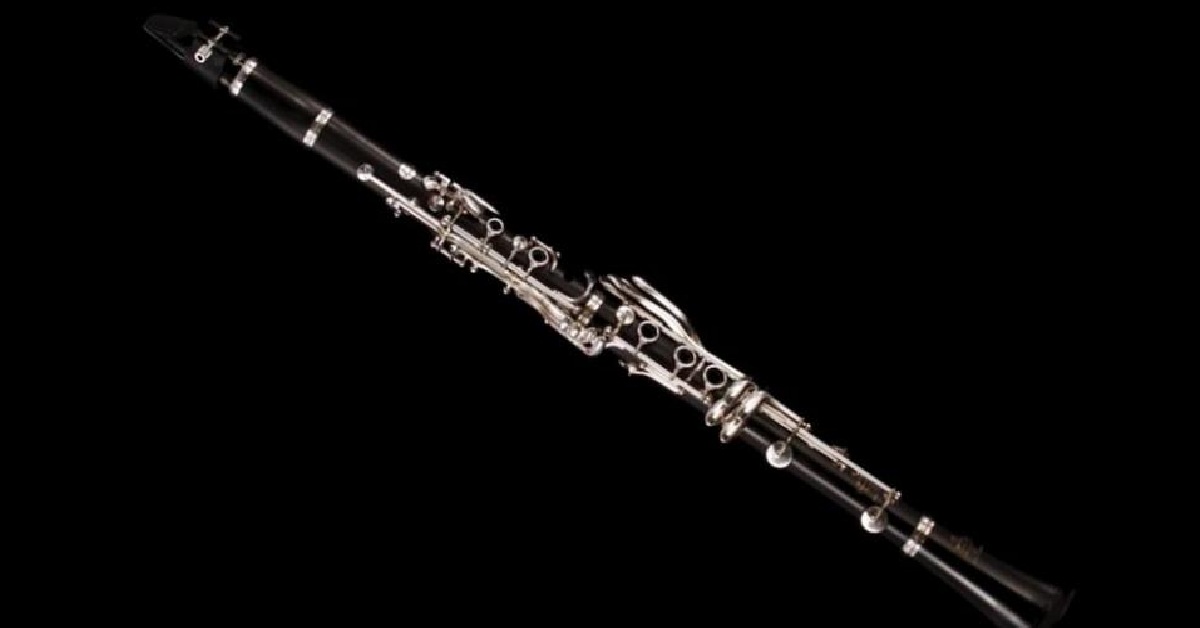
Pressing the D Key When Assembling Clarinet Joints
Who
This technique is essential for clarinetists, from middle school beginners to advanced players, and band directors teaching them in school or community ensembles. Proper assembly prevents damage and ensures longevity for student instruments.
What
The challenge is assembling the clarinet’s main two joints (upper and lower) without damaging the bridge keys or bending pinky keys, which can lead to misalignment and costly repairs.
Why
Forceful twisting during assembly or disassembly bends pinky keys, as they are delicate and extend from the joints, disrupting intonation and playability, as noted in The Clarinet Manual. Pressing the D key lifts the bridge mechanism, allowing safe alignment, while avoiding “going to town” with twisting prevents strain on the keywork.
Where
The technique is applied via:
- D Key: Pressing the left-hand ring finger D key to lift the bridge.
- Joints: Aligning upper and lower joints carefully, avoiding forceful rotation.
When
Use this technique in:
- Daily Assembly: Before rehearsals or practice to protect keys in pieces like Holst’s First Suite in Eb.
- Beginner Instruction: When teaching middle school students proper instrument care.
- Disassembly: After performances to prevent pinky key bending.
- Maintenance Sessions: During cleaning or repairs to ensure safe handling.
How
To assemble clarinet joints safely:
- Press the D Key: Hold the upper joint and press the left-hand ring finger D key to lift the bridge mechanism, allowing safe alignment, as demonstrated in this video: https://youtu.be/nvQgAaMt4ck?si=ghEf7Ec8oSPCOEU9.
- Align Gently: Insert the lower joint with a gentle push and slight twist, avoiding forceful “going to town” rotation that bends pinky keys.
- Check Bridge: Ensure the bridge keys align smoothly without gaps or binding, verifying pinky keys move freely.
- Disassemble Carefully: Reverse the process: press D key, gently twist and pull joints apart, preventing pinky key strain.
- Practice with Supervision: For beginners, demonstrate and supervise assembly to build habits.
- Incorporate in Warm-Ups: Remind students during rehearsals to check assembly, ensuring no bent keys affect tone in scales like Bb major.
- Maintain Instrument: Regularly inspect pinky keys for bends, and teach gentle handling to avoid repairs.
Conclusion
Pressing the D key when assembling clarinet joints protects the bridge and prevents pinky key bending from forceful twisting. By teaching this during instruction, disassembly, and maintenance, directors ensure safe handling and optimal playability. This simple habit empowers clarinetists to maintain their instruments, delivering clear tones in demanding repertoire and enhancing ensemble performance.